Free(ing) The Tee
Let’s set the scene of the First Act in this three-act tale about tee time brokering.
SCGA Public Affairs Director Kevin Fitzgerald found himself chairing a City of Los Angeles Golf Advisory Committee meeting in 2024, just a week after a social media story exposing a tee time brokering scheme went viral. A buzz filled the room as he called the meeting to order. Scores of frustrated residents were there to air their grievances. Television, radio and print media showed up to report on the proceedings. All meetings he had chaired to date had been cordial affairs about fees, policies, capital projects and long-term strategies, but this one was a raucous affair from start to finish.
The groundswell of media interest caught committee members by surprise. ABC, CBS, FOX and KTLA News covered the meeting. The Los Angeles Times published multiple articles, including one emblazoned on its front page. NPR did two segments. Multiple television news segments and social media posts highlighted both the meeting and the social media “Free the Tee” campaign that had generated the groundswell in the first place.
The subject of all the controversy? A large secondary market that had rendered virtually inaccessible a Los Angeles municipal golf system already difficult to access under the best of circumstances.
Accusations that city staff, golf advisory committee members and Board Commissioners had been burying their heads in the sand about the brokering issue were as rampant as they were unfair, given that the city had been working diligently to find a smoking gun somewhere in all the accusations and suspicions. But then a social influencer with a huge following focused his ire on the problem.
Los Angeles operates its golf program per the same mission that it operates all of its park/ recreation amenities — on an affordable, universally accessible basis that makes special dispensation for juniors, schools, seniors and community groups while at the same time recovering all costs, including the costs of funding the capital projects that keep the courses playable over time.
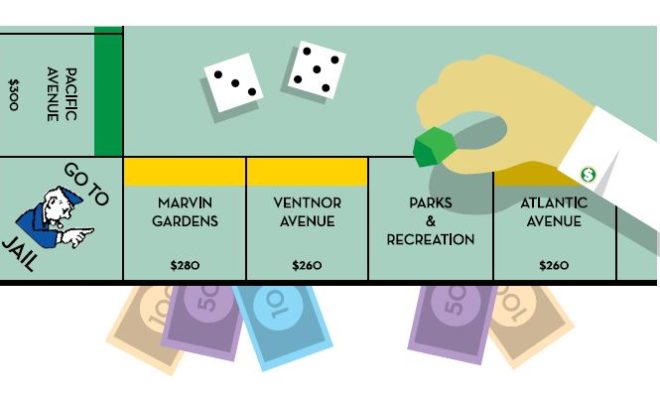
But here’s the rub. There are more golfers chasing fewer holes in the Los Angeles region than anywhere else in the country. High demand plus short supply plus price controls equals opportunity for third-party intervenors to make handsome profits simply by finding ways to capture that access and resell it at whatever the market will bear.
Act Two in this drama entailed the way in which Los Angeles and other local municipal systems moved from recognition of the problem to policies to address it — things like nonrefundable deposits, greater online security protocols, no-show forfeitures and revocation of reservation privileges to system abusers. Address it and mitigate it, most definitely; but solve it? That’s where Act Three in this drama commences — Assembly Bill 1954.
AB 1954, authored by Assemblymember Chris Ward (D-San Diego), sponsored by the California Alliance for Golf (CAG), and titled the “Protecting Access to Reservations (PAR) Act” would prohibit an operator of a third-party reservation service platform from listing, advertising, promoting or selling reservations for a golf course owned by a local public agency without a written authorization from the golf course operator.
Not to be confused with the many “authorized” third-party vendors that match golfers with tee times per written agreements that bring great value to golfer and golf facility alike, the bill in no way curtails those popular offerings; just those offerings that are not by consent of the parties.
The road from bill to law is a long one and while AB 1954 is off to a great start, it can’t reach the finish line until approved by the Assembly, Senate and Governor. While Act Three plays out, California’s municipal golf programs are sure to continue tweaking their policies in a game of “whack-a-mole” with those seeking to profit from their commitments to equitable, affordable access. But policy is the only tool they’ll have at their disposal in the effort unless Act Three concludes by giving them a tool that they don’t now have and only the State of California can provide — a provision in the state’s Business & Professions Code that makes it unlawful to broker tee times without permission.
Institutions such as the Los Angeles Golf Advisory Committee have been working proactively with municipal governments for years to find solutions to problems like third-party tee time brokering. By sponsoring AB 1954, the California Alliance for Golf is just taking the same proactivity to a higher level.